
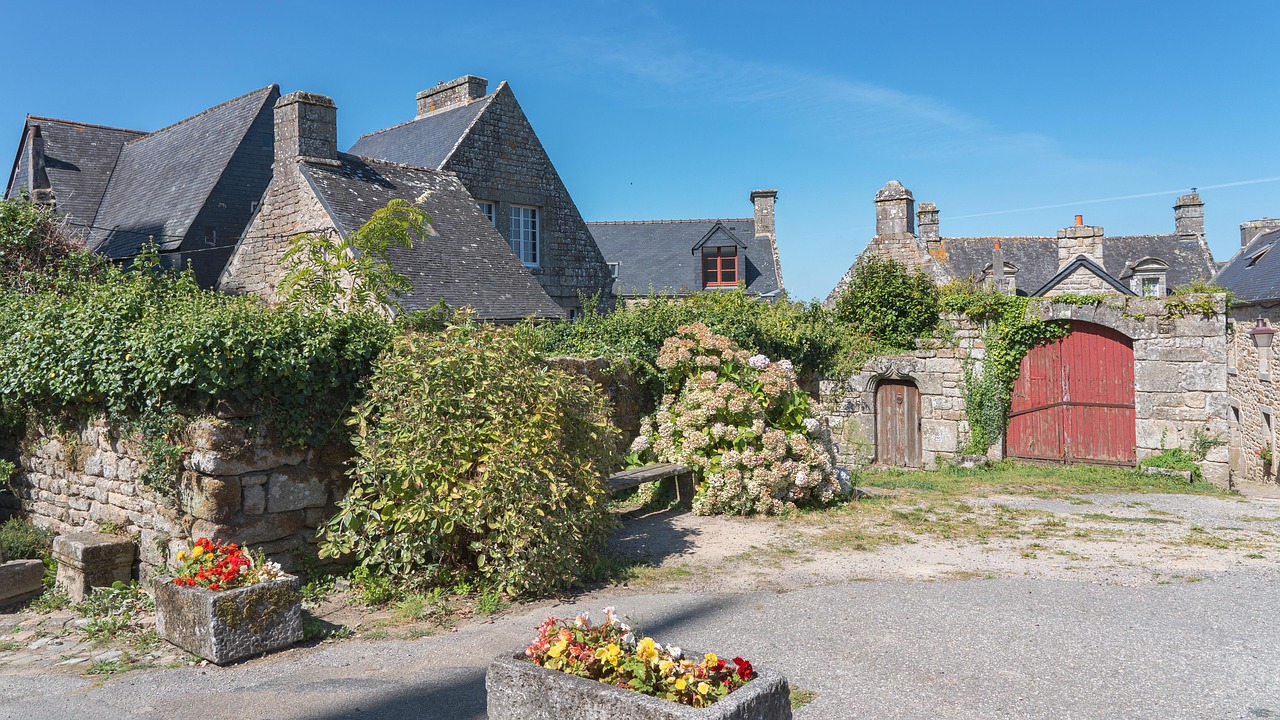
Look, I get it. You’re tired of the whole Airbnb-cookie-cutter thing, and honestly, finding a proper French countryside escape that actually feels authentic ? That’s harder than it should be. But here’s the thing-gîtes are where it’s at. These traditional French holiday rentals give you that real village life experience, especially when they’re tucked near historic towns where you can actually walk to a proper market or a 12th-century church.
The trick is knowing where to look. Personally, I’ve found that some of the best spots are in regions like Dordogne, Burgundy, and the Loire Valley-places where the tourism hasn’t completely steamrolled the local character yet. Take the Dordogne, for instance. You’ve got medieval bastide towns like Sarlat-la-Canéda within cycling distance of farmhouse gîtes that still have original stone walls and exposed beams. And I mean the real deal, not the Instagram version. If you’re heading that way, https://gite-maisondecatherine.fr is worth checking out, it’s one of those family-run places that actually gets what travelers want without trying too hard.
Why Gîtes Beat Hotels Every Single Time
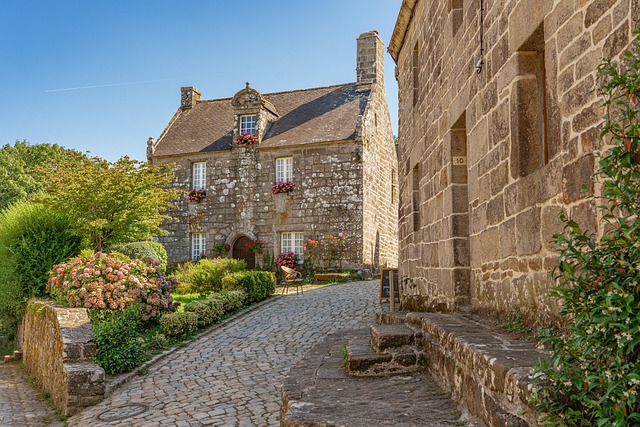 Here’s my honest take : hotels in the French countryside are either overpriced boutique places or those weird roadside chains that smell like industrial cleaner. Gîtes ? You get a kitchen, outdoor space, and usually some kind of terrace or garden where you can have breakfast with actual birdsong instead of highway noise. Plus, most owners live nearby and can point you toward the best boulangerie or that tiny vineyard nobody knows about.
The cost difference is wild too. A decent gîte for four people runs maybe €80-120 a night in decent areas, whereas you’d pay that per room in a mediocre hotel. Do the math-it’s not even close.
Burgundy : Vineyards and Villages That Time Forgot
Burgundy’s got this thing going where every other village looks like it hasn’t changed since the 1600s. Beaune is the obvious choice if you want to be near wine routes, but frankly, I’d go slightly off the beaten path. Places like Noyers-sur-Serein or Vézelay give you that medieval architecture without the tour buses. You can find gîtes in converted farm buildings with views over vineyard-covered hills-properly stunning stuff.
What surprised me here ? How quiet it gets. Like, genuinely peaceful. You’re maybe 20 minutes from a historic town with Michelin-starred restaurants, but your gîte feels like you’re the only people for miles.
Loire Valley : Châteaux and Character
The Loire gets all the château tourists, which means the surrounding countryside has loads of gîtes that cater to people who want easy access to Chambord or Chenonceau but don’t want to sleep in Tours. Smart move, honestly. Towns like Amboise and Loches are perfect bases-proper historic centers with markets, restaurants, and enough going on that you won’t get bored.
I stayed in a gîte near Montrichard once, maybe 5km outside town. Stone cottage, massive fireplace, and the owner left us homemade quince jam. That’s the level of detail you get with good gîtes-small touches that hotels just don’t bother with.
Provence : Yes, It’s Touristy, But Hear Me Out
Provence is crowded in summer, no question. But if you time it right-late spring or early autumn-you can still find amazing gîtes near towns like Gordes, Roussillon, or Lourmarin without battling the crowds. The lavender fields, the ochre cliffs, the whole aesthetic… it’s almost annoyingly picturesque, but it works.
The gîtes here tend to be a bit pricier because, well, demand. But you’re also getting that classic Provençal experience : shuttered windows, terracotta tiles, herbs growing wild everywhere. Just avoid July and August unless you enjoy traffic jams.
What to Actually Look for in a Gîte
Not all gîtes are created equal, trust me. Here’s what I check before booking :
Location proximity-Can you walk or bike to a town ? Being 15km from anywhere gets old fast when you need bread.
Original features-Exposed beams, stone walls, old fireplaces. If it looks like a suburban house, what’s the point ?
Outdoor space-A terrace, garden, or courtyard makes a massive difference. You’re in the countryside ; you want to be outside.
Owner involvement-Are they helpful without being intrusive ? The best gîte owners give you space but also insider tips.
Kitchen quality-If you’re going to cook (and you should, with all those markets), you need more than a hot plate and a dull knife.
Booking Tips That Actually Matter
 Book direct when possible. Seriously, many gîte owners offer better rates if you contact them through their own websites instead of going through booking platforms that take a cut. Plus, you can ask specific questions about the property and the area.
Check reviews carefully-not just the star rating, but what people actually say. If multiple reviews mention thin walls or a tricky location, believe them. And don’t be shy about asking for photos of specific rooms or outdoor areas if the listing is vague.
Timing matters more than you’d think. Spring and autumn are genuinely the sweet spot for the French countryside. Better weather than you’d expect, fewer tourists, and gîte owners are usually more flexible with pricing and check-in times.
Final Thoughts
Finding the right gîte near a historic French town isn’t rocket science, but it does require a bit of research beyond the first page of Google results. The best experiences come from places that balance authenticity with comfort-you want that rustic charm without sleeping on a rock-hard mattress or dealing with dodgy plumbing.
My advice ? Start with the region that genuinely interests you, then narrow down to towns with actual history and character. The gîte will follow. And remember, the best trips aren’t about ticking boxes-they’re about finding places that feel right. Sometimes that’s a converted barn in Burgundy, sometimes it’s a stone cottage in the Dordogne. You’ll know it when you see it.